Company Overview
SK Telecom (SKT) is South Korea’s largest wireless carrier, serving roughly half the country’s mobile subscribers ([1]). The company offers mobile telecom services, broadband internet, and media, and in 2021 it refocused on core telecom operations after spinning off various investments into a separate entity (SK Square). With ~25–27 million customers on its network, SKT dominates its market – a recent cyberattack even exposed data for virtually all 25 million of its users ([2]). As a flagship of the SK Group conglomerate, SKT has been leveraging its scale to invest in next-generation technologies (like artificial intelligence and 6G) while maintaining its legacy of stable cash flows from telecom services.
6G Era Strategy: AI-RAN Collaboration with Samsung
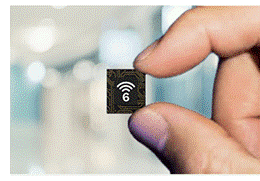
SKT is making a bold move toward 6G leadership through a high-profile partnership with Samsung Electronics. In November 2025, the two firms signed an MOU to co-develop core 6G technologies, with a focus on AI-powered Radio Access Networks (AI-RAN) ([3]). This collaboration will target several cutting-edge capabilities essential for 6G: AI-based channel estimation, distributed MIMO (multiple-input, multiple-output) transmission, intelligent scheduling, and new core network architectures ([3]). Samsung’s R&D arm (Samsung Research) will create the AI-driven network models – such as AI-enhanced signal processing and resource allocation algorithms – while SK Telecom will contribute its nationwide network infrastructure and data for real-world testing ([3]). These AI-RAN technologies are expected to boost network efficiency and automation, enabling faster, more reliable connections even in hyper-connected conditions (many devices and heavy traffic) ([3]). By investing early in AI-RAN, SKT aims to secure a technological edge and help shape global 6G standards, potentially paving the way for a leading role in the next era of wireless communications ([3]) ([3]).
This 6G initiative aligns with SKT’s broader strategic pivot toward AI and digital services. Beyond the Samsung tie-up, SKT is building its own AI infrastructure: it recently partnered with OpenAI to develop a new AI data center in Korea ([4]), and it began constructing a large AI data center in Ulsan (targeting operations by 2027) ([4]). The company is also launching new services like “Air” (a digital wireless plan for unlocked devices) to broaden its customer base without hurting ARPU ([4]), and it has an AI assistant app (“A.”) with over 10 million users that it plans to monetize via subscriptions in 2026 ([4]). These initiatives reflect SKT’s ambition to transform from a traditional telco into what management calls an “AI Company,” leveraging its network, data and partnerships to drive new growth. An open question is when – and how profitably – these AI and 6G ventures will scale. While they promise future opportunities, development is in early stages (industry 6G roll-out isn’t expected until around 2030), so meaningful revenue contributions could be years away.
Dividend Policy & History
SKT has traditionally rewarded shareholders with generous dividends, making it popular among income-focused investors. In fact, the company shifted from semiannual to quarterly dividends in 2021 to provide more frequent returns ([5]). Recent payouts have been robust: for full-year 2022, SKT distributed a total of ₩3,320 per share (₩2,490 in interim quarterly dividends plus a ₩830 final dividend) ([5]). At the current stock price (~₩53,400), this equated to roughly a 6% dividend yield ([6]). SKT’s dividend policy has generally targeted a sizable portion of earnings – the trailing payout ratio has been around 60% of profit ([6]), reflecting the firm’s stable free cash flows. Management has even indicated a commitment to keep dividends “above the minimum target,” underscoring the importance of shareholder returns ([4]).
However, 2025 has tested SKT’s dividend reliability. After a massive cybersecurity incident strained its finances (discussed below), the company took the rare step of suspending its Q3 2025 cash dividend. The CFO explained that skipping the third-quarter payout was “an unavoidable decision” given the incident’s financial impact, the hit to cash flow, and the need to preserve overall stability ([2]). This marked a significant break from SKT’s steady dividend track record. Management says it aims to restore dividends to prior levels once operations normalize – tentatively by 2026 – as one-off costs abate ([4]). Investors will be watching closely in the coming quarters to see if SKT makes good on that promise. For now, the forward yield remains around mid-6% (assuming the dividend is reinstated), but the recent pause highlights that even “safe” telco dividends carry risk in extraordinary circumstances.
Leverage, Debt Maturities & Coverage
Telecom is a capital-intensive business, and SKT carries a substantial debt load – though it maintains investment-grade credit metrics. As of mid-2025, the company had about $12.1 billion in long-term debt versus $8.4 billion in shareholders’ equity, for a debt-to-equity ratio near 1.45× ([7]). In local currency, SKT’s total interest-bearing debt (bonds and bank loans) is roughly ₩9–10 trillion. At year-end 2022, for example, SKT reported ₩8.37 trillion in outstanding debentures (corporate bonds) and about ₩0.94 trillion in borrowings ([5]) ([5]). The maturity profile of these obligations was well-distributed but front-loaded: about ₩2.07 trillion of bonds were due within 12 months (in 2023), another ~₩5.1 trillion coming due from 2024–2027, and the remainder maturing in later years ([5]). SKT has been handling these maturities through refinancings and internal cash generation – so far avoiding any liquidity crunch.
Leverage and coverage ratios remain reasonable for the sector. SKT’s net debt is moderate relative to its EBITDA, and interest expenses are largely covered by operating profits. In 2022, interest costs were approximately ₩328 billion ([5]), while SKT’s earnings before tax were about ₩1.35 trillion, implying a comfortable ~4× cover from core earnings. That said, rising interest rates have started to push financing costs higher (2022 interest expense was up ~17% from 2021 levels ([5]) ([5])). The majority of SKT’s debt is fixed-rate, which shields it somewhat from rate volatility – as of the last report, over 99% of local currency debt carried fixed coupons, at a weighted average rate around 2.5–3% ([5]) ([5]) (though new debt will price higher given current markets). Credit agencies view SKT’s debt as investment-grade; for instance, Moody’s rates the company A1, citing its dominant market position and solid cash flow as support for the low credit risk profile ([8]). Overall, SKT’s balance sheet can support its ongoing investment plans (and hefty dividends), but there is less headroom than before. Investors should monitor how 5G/6G capital expenditures and any spectrum auctions impact debt levels going forward.
Valuation and Peer Comparison
SKT’s stock is valued like a mature, low-growth telecom utility – inexpensive on earnings and offering a high yield. At ~₩53,000 per share (around $20 for the U.S. ADR SKM), SKT trades at roughly 10× trailing 12-month earnings ([9]). This price-to-earnings multiple, around 9–10×, has been fairly consistent in recent years ([9]), reflecting modest growth prospects but steady profits. In terms of cash flow-based valuations, SKT looks similarly moderate – on an EV/EBITDA basis the stock is roughly in the mid-single-digits, typical for incumbent telecom operators. The dividend yield in the mid-6% range remains a key attraction for investors ([6]). Such a yield is well above market averages and indicates the stock’s income appeal (albeit now tempered by the recent dividend hiccup).
No Excuses This Black Friday — Start Trading Smarter for $1
Tim’s AI-powered trade alerts + XGPT forecasts. Less than a cup of coffee. Big possibilities.

Compared to its peers, SKT is in line or slightly on the cheaper side. Rival KT Corp (another Korean telco) carries a comparable dividend yield of about 6–7% on its ADR ([10]) and also trades around ~7–8× earnings, so SKT’s valuation isn’t out of step. Globally, telecom stocks have seen depressed valuations – for example, U.S. carriers like Verizon and AT&T yield ~7–8% and also sport single-digit P/E ratios amid investor skepticism about growth. In SKT’s case, the market appears to be balancing the company’s stable domestic cash cow business against its new tech investments: the low multiples imply limited growth is priced in, but if SKT’s AI or 6G endeavors show tangible success, there could be room for multiple expansion. For now, the stock’s valuation suggests investors view it as a solid but defensive equity, with returns coming mainly from dividends and incremental earnings, rather than a high-growth story.
Key Risks and Red Flags
Despite its strengths, SKT faces several risks that investors should weigh:
– Cybersecurity and Reputational Risk: The most glaring recent issue was the massive data breach in 2025, a cyberattack that exposed the personal information of essentially all of SKT’s customers ([2]). About 25 million users’ data were compromised – an incident the company’s CFO called “the most challenging period for SK Telecom since its founding” ([2]). The fallout has been costly. Regulators slapped SKT with a ₩134.8 billion fine (~$95 million) for the breach ([2]), and authorities forced the company to waive contract cancellation fees for angry customers ([2]) (making it easier for subscribers to switch carriers). SKT also incurred one-time expenses replacing SIM cards and compensating users ([11]). These factors drove a sharp earnings drop in 2025: for Q3 2025, SKT’s operating profit plunged 91% YoY to just ₩48.4 billion ([2]), and the company even posted a net loss of ₩167 billion for the quarter ([2]). The breach undermined public trust and is a stark warning that operational missteps (in IT security, in this case) can materially impact financial performance. A repetition or similar major outage could further damage SKT’s brand leadership and invite stricter government action. Rebuilding customer confidence – and ensuring such a lapse doesn’t recur – is an urgent priority. For now, management has indicated the situation is stabilizing, with customer churn “contained” after the fee-waiver period ended ([4]), but this remains a red flag for the investment thesis.
– Regulatory and Competitive Pressure: As a dominant telecom provider, SKT is under constant scrutiny from regulators seeking to foster competition and protect consumers. The government has a history of prodding Korean carriers to lower tariffs or invest more in network quality. Any mandated rate cuts or aggressive pro-consumer measures could squeeze margins. (The 2025 data leak incident, for example, led to authorities effectively mandating concessions to customers, such as contract cancellations without penalties ([2]).) Competition from fellow telcos KT and LG U+ also keeps pressure on SKT’s pricing and subscriber retention. All three carriers are racing to roll out 5G (and eventually 6G) across the country; by late 2023 SKT had over 15.7 million 5G subscribers – a record, but ARPU has been trending down amid market saturation ([12]). If SKT cannot differentiate its services (through superior coverage, bundles, or new digital services), it risks eroding its market share or having to compete on price. Additionally, alternative communication platforms (like Kakao’s messaging ecosystem) and MVNOs (resellers) present indirect competition that could chip away at usage of traditional mobile plans over time.
– Financial Leverage and Interest Rate Risk: While SKT’s debt is manageable now, it is not trivial. Net debt to EBITDA is significant, and about ₩2 trillion+ in bonds matures each year for the next few years ([5]) – requiring refinancing or repayment. A higher interest rate environment means new debt will come at greater cost; already finance costs jumped nearly 45% in 2022 (to ₩456 billion) due partly to rising rates and other financing losses ([5]). If rates remain elevated or credit spreads widen (for example, if SKT’s credit rating were to slip after an earnings hit), interest expense could eat more into profits. That, in turn, could constrain dividend capacity or limit funding for growth projects. SKT does benefit from mostly fixed-rate debt and strong banking relationships (as evidenced by its A1 credit rating and low default risk) ([8]). Nonetheless, in a downside scenario of prolonged high rates or a credit squeeze, highly leveraged telcos globally have struggled – SKT’s solid standing shouldn’t breed complacency.
– Capital Intensity and Technology Risk: Like all telecom operators, SKT must continually invest in network upgrades to stay competitive. The rollout of 5G has required heavy capital expenditures in recent years, and the coming shift to 6G by the end of this decade will likely demand billions in new infrastructure spending (from spectrum licenses to dense networks of new 6G micro-cells). In the first half of 2025 alone, SKT spent ₩552 billion on capex (with full-year 2025 expected in the ₩1–1.2 trillion range) ([11]), directed at 5G expansion, fiber backbone, and new AI-oriented data centers. While these investments are necessary to protect SKT’s market position, they carry execution risk – large projects could run over budget or underperform. There’s also the risk of uncertain returns on non-traditional projects: SKT’s push into AI services and data centers puts it in competition with global tech firms and outside its historical core competency. If ventures like AI-powered services or enterprise AI cloud don’t gain traction, SKT could end up writing off costly investments. Investors should watch metrics like return on invested capital (ROIC) and growth in new service revenue to gauge if these bets are paying off.
– Foreign Exchange and Macro Risks: SKT’s business is primarily domestic and conducted in Korean won, but any borrowing in foreign currency (and the ADR shares in USD) introduce some FX considerations. A stronger dollar or higher hedging costs could marginally affect results or valuations. More broadly, South Korea’s economy and telecom sector are mature; low population growth means the pie isn’t getting much bigger, and economic downturns can pressure consumer spending on telecom or delay corporate clients’ network upgrades. However, telecom services tend to be relatively resilient (basic connectivity is a consumer staple), so macro recession risk is moderate. One area to note is that SKT’s affiliate relationships (e.g., with sister companies in the SK Group) and investments in startups could pose idiosyncratic financial risks or write-downs, but after the 2021 spin-off, SKT has fewer non-core holdings on its books.
In summary, SKT’s critical risks revolve around operational execution (keeping networks and data secure, monetizing new tech), regulatory demands, and maintaining financial discipline amid heavy investment cycles. None of these are insurmountable for a well-established incumbent, but recent events show that even a stable telco is not risk-free. Investors should monitor how SKT addresses its 2025 setback and whether it can navigate the next tech cycle without undermining its financial health.
Valuation and Open Questions
SK Telecom finds itself at a crossroads between its legacy identity as a reliable cash-generating telco and its future aspirations as a tech-forward “AI network” company. The stock’s current valuation (≈10× earnings, ~6–7% yield) suggests the market is not yet pricing in significant growth from these new initiatives ([9]) ([6]). To unlock a higher valuation, SKT will need to demonstrate that investments in AI and 6G can rekindle revenue or profit growth beyond the low-single-digit pace typical of telecom. One bullish argument is that SKT’s 6G and AI-RAN leadership – bolstered by the Samsung partnership – could eventually translate into cost advantages (more efficient networks) or new revenue streams (licensing technology, enterprise AI services) in the late 2020s. Furthermore, SKT’s moves like the OpenAI data center JV and homegrown AI services might position it to capture some share of the burgeoning AI economy in Korea ([4]). If these bets pay off, SKT’s earnings profile in five years might look quite different (and more diversified) than today’s pure-play telecom earnings – potentially deserving of a higher multiple.
On the other hand, open questions abound. Can SKT truly transform itself, or will it remain essentially a telecom utility with some side projects? Telecom operators globally have a mixed track record when venturing into content, tech, or IT services. SKT will need to execute exceptionally well to compete with both its telco peers and new rivals in AI/cloud. The company’s aggressive marketing of itself as an “AI Company” will be tested by whether its AI ventures contribute meaningful profits by the time 6G arrives. Another question is how SKT balances these growth investments with shareholder returns. The recent dividend halt – albeit expected to be temporary ([4]) – has understandably made investors more cautious. If cash flows are pressured by large capital needs (for network build-out or unexpected costs), will SKT prioritize its dividend commitments or growth projects? The CFO’s reassurance of returning to prior dividend levels is encouraging ([4]), but the market may take a “wait and see” approach after being burned in 2025.
In the near term, a key area to watch is the recovery of SKT’s core mobile business post-breach. The company reported that it managed to stem customer losses (many subscribers stayed once the fee-waiver period ended) ([4]), and it launched new plans like Air to attract budget-conscious users. Stabilizing the subscriber base and ARPU in 2026 will be crucial so that the core business can continue funding new initiatives. Additionally, any signs of relief from regulators – or conversely, any new regulatory mandates on pricing/data security – could affect SKT’s profitability outlook.
In conclusion, SK Telecom’s “bold 6G move” with AI-RAN is an exciting leap that underscores the company’s technology leadership and desire to reinvent itself for the future ([3]). The partnership with Samsung places SKT at the forefront of 6G R&D, which could yield long-term competitive advantages as networks evolve. However, investors must weigh this optimism against the company’s present-day realities: a mature telecom market, recent operational setbacks, and substantial investment requirements on the horizon. SKT still offers the hallmarks of a defensive investment – a strong market position and attractive dividend yield – but the events of 2025 remind us that no dividend is guaranteed, and even market leaders must continuously adapt to earn investors’ trust. How SKT navigates the next few years (restoring its reputation, executing on AI ambitions, and maintaining financial discipline) will determine whether this stock remains a high-yield value trap or emerges as a rejuvenated telecom-tech hybrid with renewed growth prospects. The breakthrough 6G alliance with Samsung is a noteworthy step, but the ultimate breakthrough investors seek will be in SKT’s earnings trajectory and shareholder value in the years to come.
Sources
- https://reuters.com/sustainability/boards-policy-regulation/south-korea-orders-sk-telecom-strengthen-data-security-after-leak-2025-07-04/
- https://lightreading.com/finance/skt-sinks-into-the-red-on-costs-of-customer-data-leak
- https://news.samsung.com/global/samsung-and-sk-telecom-join-forces-to-lead-6g-era-with-ai-ran-technology
- https://gurufocus.com/news/3172358/sk-telecom-co-ltd-skm-q3-2025-earnings-call-highlights-navigating-challenges-and-seizing-ai-opportunities
- https://sec.gov/Archives/edgar/data/1015650/000119312523120018/d408889d20f.htm
- https://dividendhistory.org/payout/SKM/
- https://macrotrends.net/stocks/charts/SKM/sk-telecom/debt-equity-ratio
- https://martini.ai/pages/research/SK%20Telecom-6478ff0ec10716a659c59760918a4682/
- https://companiesmarketcap.com/sk-telecom/pe-ratio/
- https://stocksguide.com/en/dividends/KT-Corporation-Sponsored-ADR-US48268K1016
- https://telecomlead.com/5g/sk-telecom-q2-2025-revenue-falls-profit-plunges-76-as-ai-growth-offsets-costs-and-5g-momentum-builds-122064
- https://telecomlead.com/5g/sk-telecom-reports-record-5g-subscribers-but-its-arpu-drops-114524
For informational purposes only; not investment advice.